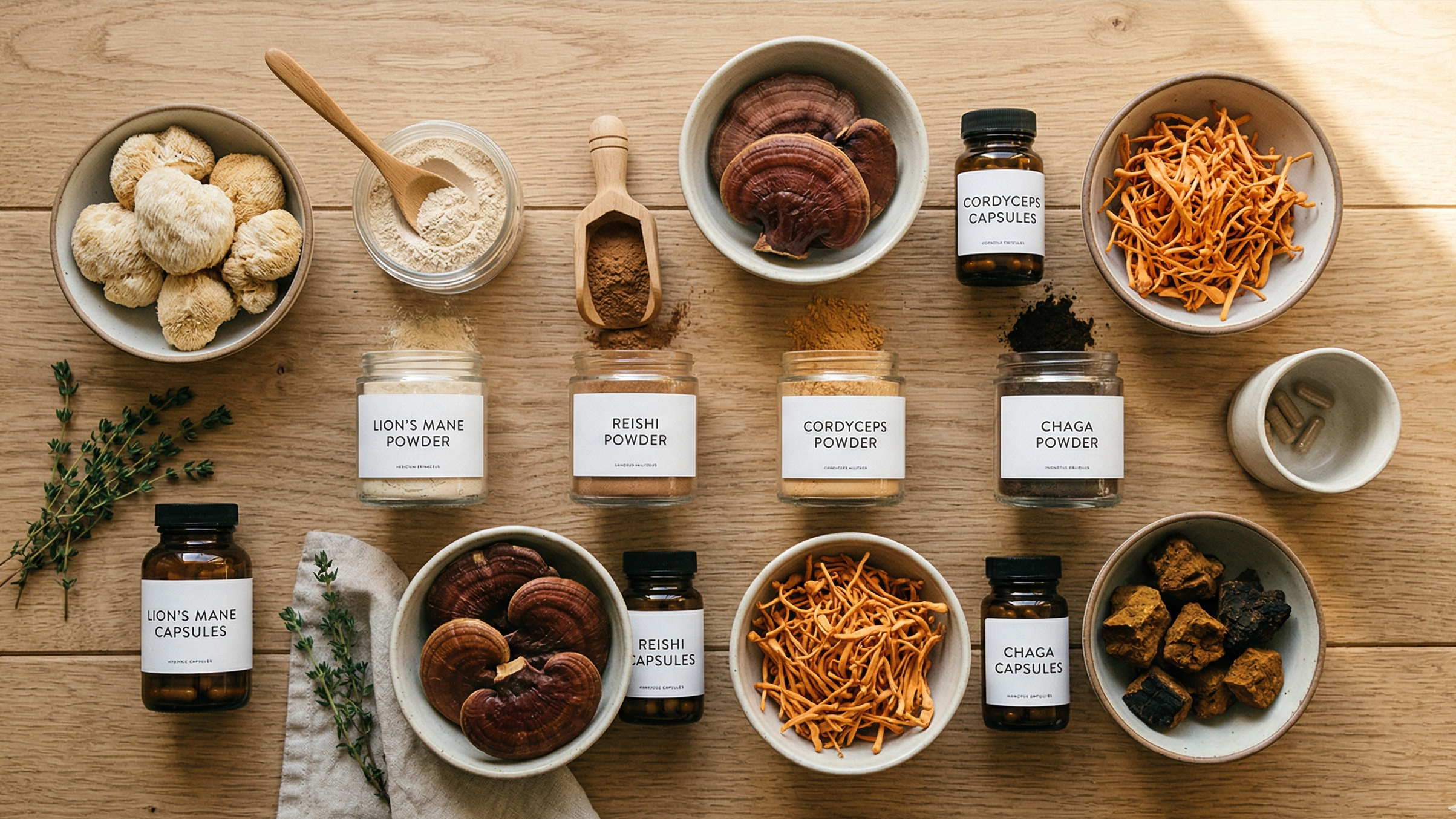
The Complete Guide to Functional Mushroom Supplements in 2026
Functional mushrooms have moved from the margins of traditional medicine into the mainstream supplement aisle — and for good reason. Backed by a growing body of peer-reviewed research, species like lion’s mane, reishi, and cordyceps offer measurable benefits for cognition, immunity, sleep, and energy. But the market has also attracted its share of underdosed products, misleading labels, and outright hype.
This guide cuts through the noise. We break down the science behind six key mushroom species, explain what separates a quality supplement from a waste of money, and review the best functional mushroom supplements you can actually buy in 2026. Whether you are new to medicinal mushrooms or looking to upgrade your stack, this is where to start.
The Science Behind Functional Mushrooms
Functional mushrooms are not magic — they are chemistry. Their health benefits come from specific bioactive compounds that interact with well-understood biological pathways. Here are the four most important:
Beta-Glucans
Beta-glucans are polysaccharides found in the cell walls of all medicinal mushrooms. They are the single most validated class of mushroom compound, with decades of research showing they modulate immune function by activating macrophages, natural killer cells, and dendritic cells. When you see a percentage on a mushroom supplement label (e.g., “30% beta-glucans”), this is what it refers to — and it is arguably the most important number on the bottle.
Erinacines and Hericenones
These are unique to lion’s mane (Hericium erinaceus). Erinacines, found primarily in the mycelium, and hericenones, found in the fruiting body, both stimulate the production of nerve growth factor (NGF). A 2023 study published in the Journal of Neurochemistry by Martínez-Mármol et al. identified specific hericerin derivatives that activate a “pan-neurotrophic pathway” in hippocampal neurons — essentially boosting the brain’s ability to grow and repair nerve cells through multiple mechanisms simultaneously.
Cordycepin
The signature compound in cordyceps, cordycepin (3’-deoxyadenosine) is structurally similar to adenosine, a molecule your body uses for energy transfer and signaling. Research suggests cordycepin may improve oxygen utilization during exercise, support healthy inflammation response, and enhance cellular energy production through its interaction with AMPK pathways.
Triterpenes
Found in high concentrations in reishi and chaga, triterpenes are responsible for the bitter taste of quality reishi extracts. They exhibit anti-inflammatory, liver-protective, and anti-histamine properties. Over 130 triterpenes have been identified in reishi alone, with ganoderic acids being the most studied.
Understanding these compounds is not just academic — it directly affects how you evaluate products. A supplement that lists its beta-glucan content, for instance, is far more trustworthy than one that only lists total polysaccharides (a broader category that includes starches and fillers like alpha-glucans from grain).
Fruiting Body vs. Mycelium: Why It Matters
This is the most important distinction in the mushroom supplement market, and the one most companies hope you will not learn about.
Fruiting body is the mushroom itself — the part that grows above ground (or above the substrate). It contains the highest concentrations of beta-glucans, triterpenes, and other target compounds. Quality fruiting body extracts are typically grown on natural substrates (hardwood logs or supplemented sawdust), harvested at maturity, and hot-water or dual-extracted to make their compounds bioavailable.
Mycelium-on-grain (MOG) products culture mushroom mycelium on sterilized grain (usually rice or oats). Because the mycelium cannot be fully separated from its substrate, the final product is a mix of fungal tissue and starch. Independent testing has repeatedly shown that many MOG products contain 50–70% grain starch, resulting in significantly lower beta-glucan concentrations. Some products marketed as “mushroom supplements” are, by weight, mostly rice flour.
There are nuances. Lion’s mane mycelium does contain erinacines that are less abundant in the fruiting body, and some researchers argue that mycelium products may contain beneficial compounds not yet fully characterized. The company Host Defense, which uses mycelium-on-grain, has funded studies showing immune-modulating effects from their products.
Our position: For most species, fruiting body extracts deliver more of the compounds that research has validated. When we recommend mycelium products, we note it explicitly and explain why. Always check labels for beta-glucan content and the presence of starch fillers, regardless of what part of the mushroom is used.
The 6 Key Mushrooms Ranked by Evidence Strength
Not all functional mushrooms have the same depth of research behind them. Here is our ranking based on the quality and quantity of human clinical evidence as of early 2026.
1. Lion’s Mane — Focus and Cognition
Evidence strength: Strong (multiple human trials)
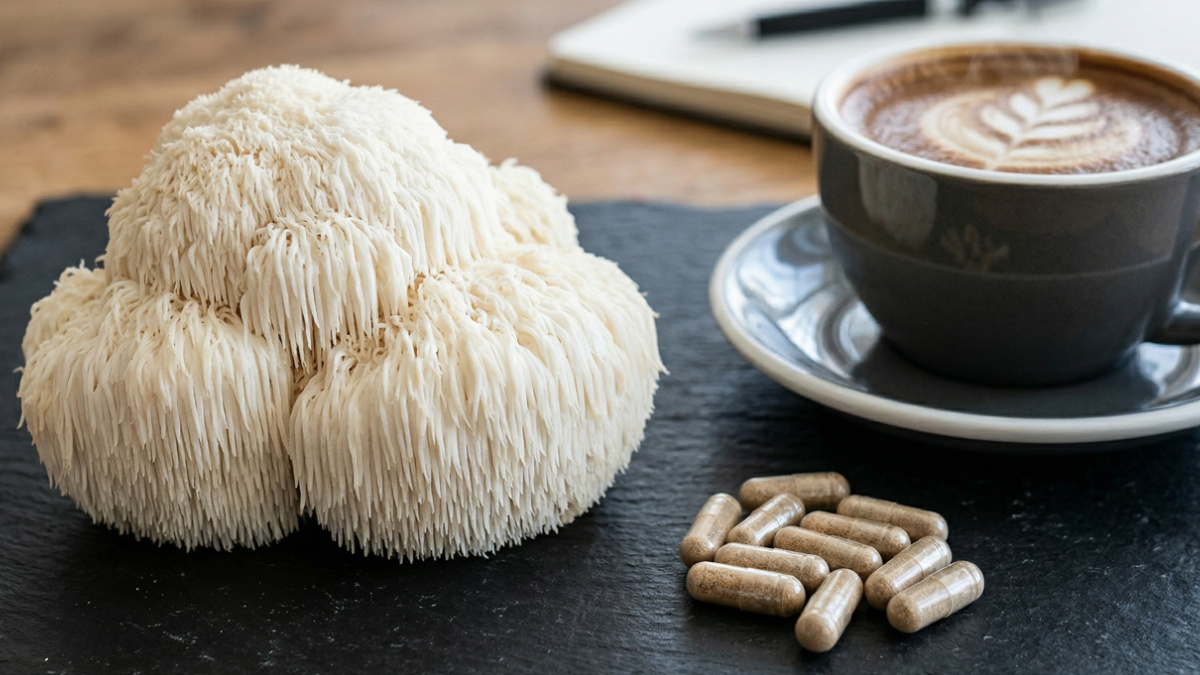
Lion’s mane is the most exciting functional mushroom from a neuroscience perspective. Its unique ability to stimulate nerve growth factor (NGF) production sets it apart from every other supplement in this category.
The clinical evidence is compelling. A 2009 randomized, double-blind, placebo-controlled trial by Mori et al. published in Phytotherapy Research found that older adults with mild cognitive impairment who took lion’s mane for 16 weeks showed significantly improved cognitive function compared to the placebo group. Notably, cognitive scores declined after supplementation stopped, suggesting an ongoing biological mechanism rather than a one-time benefit.
More recently, a 2023 study by Docherty et al. published in Nutrients examined the acute and chronic effects of lion’s mane on cognitive function, stress, and mood in healthy young adults. Participants who supplemented with lion’s mane showed faster performance on cognitive tasks and reported reduced subjective stress. The same year, researchers at the University of Queensland published findings showing that specific compounds in lion’s mane (hericene A and its derivatives) enhanced nerve cell growth and improved memory formation in preclinical models — work that helps explain the mechanisms behind the clinical results.
As Friedman noted in a 2015 review in the Journal of Agricultural and Food Chemistry, lion’s mane contains a broad spectrum of bioactive compounds beyond just NGF stimulators, including antioxidant and anti-inflammatory agents that may contribute to its neuroprotective profile.
Best for: Students, knowledge workers, aging adults concerned about cognitive decline.
For a deeper dive into dosing, timing, and the best lion’s mane products specifically, see our complete lion’s mane guide.
2. Reishi — Sleep and Stress
Evidence strength: Moderate-to-strong (human trials + extensive traditional use)
Reishi (Ganoderma lucidum) has the longest track record of any medicinal mushroom, with documented use in Chinese medicine spanning over 2,000 years. Modern research has focused on its triterpene content (particularly ganoderic acids), its beta-glucan profile, and its effects on sleep quality, stress resilience, and immune modulation.
Clinical studies suggest reishi may improve sleep quality and reduce fatigue, particularly in people dealing with chronic stress or neurasthenia. Its mechanism appears to involve GABAergic pathway modulation rather than sedation, which means it supports natural sleep architecture rather than forcing drowsiness.
Reishi is also one of the most studied mushrooms for immune modulation, with research in cancer patients showing it can enhance natural killer cell activity and improve quality-of-life markers when used as a complementary therapy. We want to be clear: reishi is not a cancer treatment, but the immunological data is genuinely interesting.
Best for: People dealing with stress, poor sleep, or those looking for broad immune support.
3. Turkey Tail — Immunity
Evidence strength: Moderate-to-strong (human trials, including in oncology settings)
Turkey tail (Trametes versicolor) contains two well-studied polysaccharide compounds: PSK (polysaccharide-K, also called krestin) and PSP (polysaccharopeptide). PSK has been used as an approved adjunctive cancer therapy in Japan since the 1980s — an unusually high level of regulatory acceptance for a mushroom-derived compound.
Multiple clinical trials have examined turkey tail in the context of immune recovery during and after cancer treatment. While these are specialized medical applications, they demonstrate the potency of turkey tail’s immune-modulating effects. For general wellness, turkey tail is one of the best-supported mushrooms for maintaining robust immune function.
Best for: Immune support, gut health (turkey tail acts as a prebiotic), and those seeking the best-validated immune-modulating mushroom.
4. Cordyceps — Energy and Endurance
Evidence strength: Moderate (growing human evidence, strong mechanistic data)
Cordyceps has attracted significant interest from athletes and active individuals for its purported effects on oxygen utilization and exercise performance. Most supplements use Cordyceps militaris (cultivated) rather than the wild Cordyceps sinensis, which is prohibitively expensive and often adulterated.
Human studies have shown modest but measurable improvements in VO2 max and time-to-exhaustion in both trained and untrained individuals, though results are not always consistent across trials. The mechanisms are better understood than the clinical outcomes: cordycepin appears to enhance ATP production and improve the efficiency of cellular energy metabolism.
Best for: Athletes, active individuals, anyone seeking a non-stimulant energy boost.
For a detailed look at the exercise performance research, see our cordyceps guide.
5. Chaga — Antioxidant
Evidence strength: Moderate (strong in vitro and animal data, limited human trials)
Chaga (Inonotus obliquus) has one of the highest ORAC (oxygen radical absorbance capacity) scores of any natural substance. It is exceptionally rich in melanin, betulinic acid (derived from the birch trees it parasitizes), and superoxide dismutase (SOD). These compounds demonstrate powerful antioxidant and anti-inflammatory activity in laboratory settings.
The honest caveat: human clinical trials on chaga are still limited. Much of the evidence comes from cell culture and animal studies. The antioxidant activity is real and measurable, but we are still waiting for robust human data to confirm the specific health outcomes that in vitro research suggests.
Best for: Those seeking antioxidant support, though we recommend pairing it with better-validated mushrooms rather than relying on chaga alone.
6. Maitake — Metabolic Health
Evidence strength: Preliminary-to-moderate (promising but fewer human trials)
Maitake (Grifola frondosa) contains a unique beta-glucan fraction called D-fraction (also marketed as MD-fraction) that has shown effects on blood sugar regulation and immune function. Some small human studies have shown improvements in insulin sensitivity and blood glucose management, making maitake particularly interesting for metabolic health.
Research is ongoing, and we expect the evidence base to strengthen. For now, maitake is best viewed as a solid supporting player in a multi-mushroom formula rather than a standalone supplement.
Best for: Those interested in metabolic health and blood sugar support, ideally as part of a broader mushroom stack.
How to Read a Mushroom Supplement Label
A supplement is only as good as what is actually in the capsule. Here is what to look for — and what to avoid.
Green Flags
- “Fruiting body” or “fruiting body extract” clearly stated. This is the single best indicator of a quality product.
- Beta-glucan percentage listed (typically 20–40%+ for a good extract). This shows the company has actually tested their product.
- Extraction method noted — hot water extraction (for beta-glucans) or dual extraction (hot water + alcohol, for both beta-glucans and triterpenes) is ideal.
- Third-party testing by an independent lab (NSF, USP, or a named lab).
- Species name listed (e.g., Hericium erinaceus, not just “lion’s mane blend”).
- Country of origin disclosed. Most high-quality fruiting body extracts come from China (which has the longest tradition of commercial mushroom cultivation) or are grown domestically on hardwood.
Red Flags
- “Full spectrum” or “mycelial biomass” with no beta-glucan content listed. This often masks a product that is mostly grain starch.
- “Polysaccharide” percentage without specifying beta-glucans. Starch is a polysaccharide. A product can be 70% grain starch and still claim high polysaccharide content.
- Proprietary blends that do not disclose individual mushroom amounts. If a product contains six mushrooms in a 500mg proprietary blend, you may be getting trivial doses of each.
- No extraction mentioned. Raw mushroom powder without extraction has very low bioavailability because chitin cell walls lock in the active compounds.
- Unrealistic health claims. Any product claiming to “cure” or “treat” disease is violating FDA regulations and should be treated with skepticism.
For a more detailed breakdown of supplement label literacy that applies beyond mushrooms, see our guide to reading supplement labels.
Best Functional Mushroom Supplements: Tested and Compared
We evaluated dozens of products based on ingredient sourcing, beta-glucan content, extraction method, third-party testing, value, and user experience. Here are our top picks for 2026.
Best Overall: Real Mushrooms 5 Defenders
Real Mushrooms has built its reputation on transparency and quality. Their 5 Defenders blend uses 100% fruiting body extracts of reishi, chaga, maitake, shiitake, and turkey tail, with verified beta-glucan content above 20%. Every batch is third-party tested and the company openly publishes its testing methodology.
Why we recommend it: Consistent quality, verified beta-glucan levels, no grain fillers, and reasonable pricing for what you get. If you want one multi-mushroom product you can trust, this is it.
Runner-up: FreshCap Thrive 6. Similar quality philosophy with a slightly different mushroom blend that includes lion’s mane and cordyceps. FreshCap also uses 100% fruiting body extracts and provides verified beta-glucan content. Choose FreshCap if you want lion’s mane and cordyceps included in your multi; choose Real Mushrooms if you prefer to add those separately at targeted doses.
Best for Focus: Nootrum Lion’s Mane
Nootrum offers a concentrated lion’s mane extract standardized to high levels of both hericenones and beta-glucans, using dual-extracted fruiting body. Their formulation is designed specifically for cognitive support rather than being a general mushroom blend.
Why we recommend it: High potency lion’s mane with transparent labeling, meaningful standardization, and a focus (no pun intended) on the compounds that actually matter for cognition. A good choice for people who want to supplement lion’s mane specifically rather than take a multi-mushroom product.
Best Gummy: Om Mushroom Superfood Gummies
The gummy format has exploded in popularity, though it comes with trade-offs — lower doses per serving and added sugars. Among the gummy options we tested, Om offers a reasonable mushroom blend with disclosed ingredient amounts and avoids the worst formulation shortcuts.
Why we recommend it: If you know you will not take capsules consistently, a good gummy beats an untouched bottle of capsules. Om is transparent about sourcing and provides better-than-average dosing for the gummy category. Just understand that capsules or powders will always deliver more active compounds per serving.
Best Mushroom Coffee: Four Sigmatic Think
Mushroom coffee combines functional mushrooms with reduced-caffeine coffee for a smoother energy experience. Four Sigmatic remains the most recognized name in this space, and their Think blend pairs lion’s mane with chaga and medium-roast arabica coffee.
Why we recommend it: It is an approachable entry point for people who are curious about mushroom supplements but not ready to commit to capsules. The coffee tastes good, the mushroom doses are modest but present, and it fits into an existing morning routine. That said, the mushroom content per serving is lower than what you would get from a dedicated supplement.
For a full comparison of mushroom coffee brands, see our mushroom coffee roundup.
Best Value: Host Defense MyCommunity
We need to be upfront: Host Defense uses mycelium-on-grain, which means their products contain a significant amount of rice starch alongside the fungal compounds. We generally prefer fruiting body extracts. However, Host Defense has invested in clinical research on their specific products, and their MyCommunity blend — featuring 17 mushroom species — offers the broadest species diversity at a competitive price point.
Why we recommend it (with caveats): If budget is your primary constraint and you want exposure to a wide range of mushroom species, MyCommunity delivers. The company’s own research suggests immune-modulating benefits from their mycelium-based approach. But if you can afford the modest premium for a fruiting body extract, we believe you will get more validated active compounds per capsule with Real Mushrooms or FreshCap.
How to Stack Mushrooms with Adaptogens
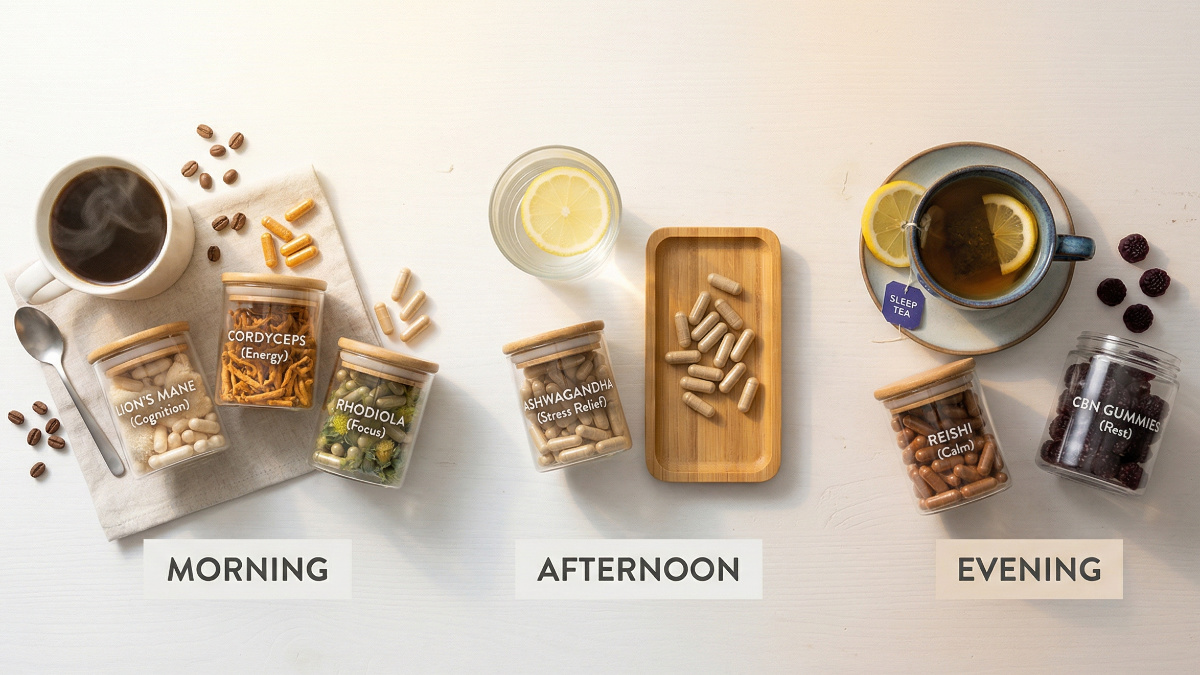
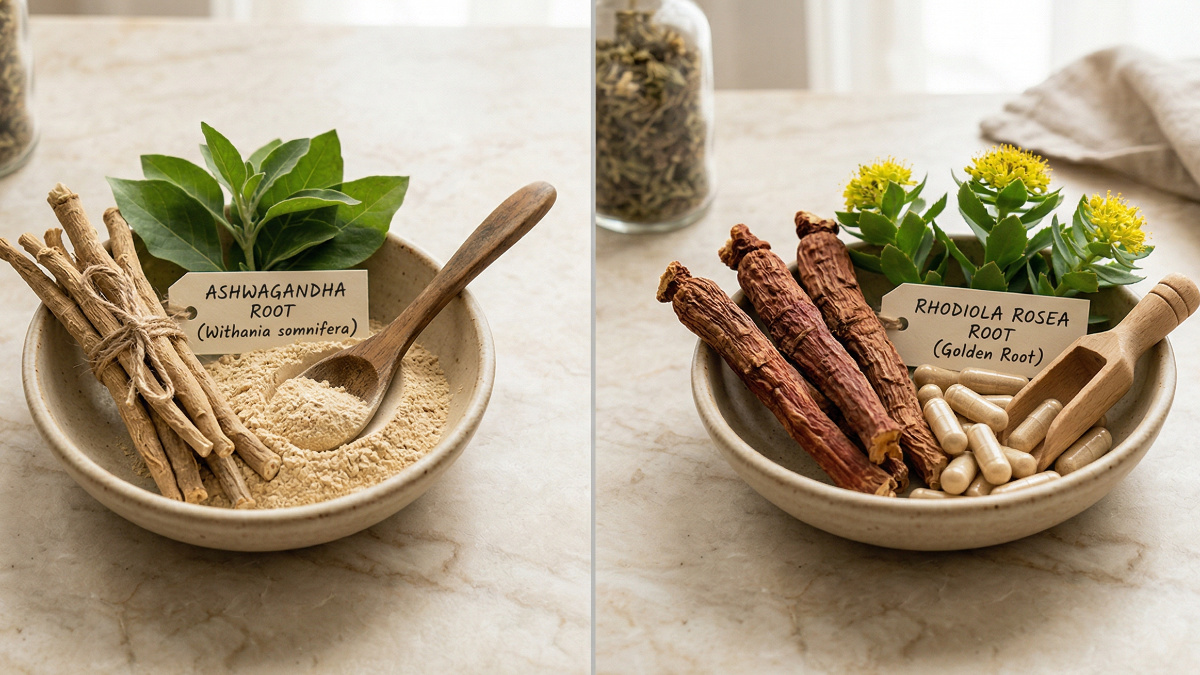
Functional mushrooms pair remarkably well with adaptogenic herbs like ashwagandha, rhodiola, and bacopa. The logic is straightforward: mushrooms and adaptogens often work through complementary mechanisms. For example, lion’s mane supports neurogenesis while bacopa enhances synaptic communication — two different pathways that together may provide more comprehensive cognitive support than either alone.
Popular stacks include:
- Focus stack: Lion’s mane + bacopa monnieri + rhodiola rosea
- Stress and sleep stack: Reishi + ashwagandha + magnesium glycinate
- Energy stack: Cordyceps + rhodiola + B-vitamin complex
- Immune stack: Turkey tail + astragalus + vitamin D3
The key is to start with one mushroom and one adaptogen, assess your response over two to four weeks, and add from there. Stacking everything at once makes it impossible to identify what is actually working.
We cover this topic in depth — including specific product pairings and dosing protocols — in our ultimate wellness stack guide.
A Note on Safety
Functional mushroom supplements have a strong safety profile overall, with few reported adverse effects in clinical trials. However, they are not appropriate for everyone. Reishi and other mushrooms with blood-thinning properties may interact with anticoagulant medications. Individuals with mushroom allergies, autoimmune conditions, or those who are pregnant or breastfeeding should exercise caution.
This article is for informational purposes only and does not constitute medical advice. We strongly recommend consulting with a qualified healthcare professional before starting any new supplement regimen, particularly if you take prescription medications or have an existing health condition.
Frequently Asked Questions
Do mushroom supplements actually work?
Yes, but with important qualifications. The strongest evidence exists for lion’s mane (cognition), turkey tail (immunity), and reishi (immune modulation and sleep). These species have multiple human clinical trials supporting specific benefits. Others, like chaga and maitake, have compelling preliminary data but fewer completed human trials. The key is choosing products that contain verified levels of the active compounds — a poorly made mushroom supplement with minimal beta-glucans will not do much regardless of the species.
What is the best mushroom supplement to take daily?
It depends on your goals. For general wellness and immune support, a multi-mushroom blend like Real Mushrooms 5 Defenders or FreshCap Thrive 6 covers the most bases. For targeted cognitive support, a dedicated lion’s mane extract is the strongest choice. For exercise performance, cordyceps stands alone. If you can only pick one species for overall health, reishi has the broadest traditional and clinical evidence base.
Are mushroom supplements safe?
For the vast majority of people, yes. Functional mushrooms have been consumed for thousands of years and have demonstrated strong safety profiles in clinical research. Side effects, when they occur, are typically mild and gastrointestinal (bloating or digestive discomfort, usually at higher doses). However, people on blood-thinning medications, those with autoimmune conditions, or anyone who is immunocompromised should consult a doctor before supplementing, as mushroom beta-glucans actively modulate immune function.
What is the difference between fruiting body and mycelium?
The fruiting body is the mushroom itself — the visible structure with a cap and stem. Mycelium is the root-like network of threads that the mushroom grows from. In supplement terms, “fruiting body” products are made from the actual mushroom, while “mycelium” products (often labeled “mycelial biomass” or “full spectrum”) are typically grown on grain and contain a mixture of fungal tissue and starch. Fruiting body extracts generally have higher concentrations of beta-glucans and other researched compounds. See our section above on fruiting body vs. mycelium for a full breakdown.
How long does it take for mushroom supplements to work?
Most people report noticing effects from lion’s mane within two to four weeks of consistent daily use. Immune-modulating effects from turkey tail and reishi may take a similar timeframe to become apparent. Cordyceps tends to act faster, with some users noticing energy and endurance changes within the first week. The key word is “consistent” — mushroom supplements are not acute-acting like caffeine. They work through gradual biological mechanisms like NGF stimulation and immune cell activation, which require sustained intake.
Can you take multiple mushroom supplements together?
Absolutely. In fact, different mushroom species work through distinct mechanisms, so combining them can be more effective than taking a single species. This is the rationale behind multi-mushroom blends. There are no known negative interactions between common medicinal mushroom species. Just be mindful of total dosing and start with one or two species before building a more complex stack.