CBN for Sleep: The Science Behind the 'Sleep Cannabinoid' and the Best CBN Products
More than 50 million Americans deal with chronic sleep problems, and that number keeps climbing. The usual solutions — prescription sleep aids, over-the-counter antihistamines, melatonin — all come with trade-offs: dependency risk, next-day grogginess, or diminishing returns over time. Against that backdrop, cannabinol (CBN) has emerged as one of the most talked-about natural sleep aids of the past few years, marketed as the “sleep cannabinoid” by a rapidly growing number of supplement brands.
But does CBN actually live up to the hype? The honest answer is nuanced. There is real science here — including a rigorous 2023 double-blind study — but the evidence base is still young, and the marketing has outpaced the research in several important ways. In this guide, we break down what CBN is, what the clinical data actually shows, how it compares to melatonin, and which are the best CBN gummies for sleep if you decide to try it.
What Is CBN? How It Differs from CBD and THC
Cannabinol (CBN) is a minor cannabinoid found in the cannabis plant. Unlike CBD and THC, which are produced directly by the plant’s enzymatic pathways, CBN forms primarily through the degradation of THC. When THC is exposed to heat, light, or oxygen over time, it oxidizes into CBN. This is why aged cannabis tends to have higher CBN concentrations — and likely why CBN developed its early reputation as a sedative. People smoking older cannabis felt sleepy and attributed it to CBN, though the sedation may have been caused by terpene degradation or other factors.
Here is how CBN compares to its more famous relatives:
- THC (tetrahydrocannabinol) is the primary psychoactive cannabinoid. It produces a “high,” has strong pain-relieving properties, and can affect sleep — but comes with intoxication and legal complications in many states.
- CBD (cannabidiol) is non-intoxicating and has been studied for anxiety, inflammation, and epilepsy. Its direct effects on sleep are modest; most sleep benefits appear to come from anxiety reduction rather than sedation.
- CBN (cannabinol) is mildly psychoactive at high doses (roughly one-tenth the potency of THC) but produces no noticeable intoxication at typical supplement doses of 5–20 mg. It binds weakly to CB1 receptors and appears to interact with the endocannabinoid system in ways distinct from both THC and CBD.
The key distinction: CBN is not just “diet THC” or “sleepy CBD.” It is a pharmacologically distinct compound with its own receptor profile, and it deserves evaluation on its own terms.
What the Research Actually Says About CBN and Sleep
Let’s be direct: the clinical evidence for CBN as a sleep aid is promising but limited. The compound has been studied far less than CBD or THC, and much of its reputation rests on preclinical data, anecdotal reports, and a small number of human trials. That said, what does exist is genuinely interesting.
The 2023 Double-Blind Study
The most rigorous evidence to date comes from a 2023 study by Bonn-Miller and colleagues published in Experimental and Clinical Psychopharmacology. This was a double-blind, randomized, placebo-controlled trial — the gold standard of clinical research — that examined the effects of CBN alone and CBN combined with CBD on sleep quality.
The study found that participants taking CBN reported improvements in sleep quality, with a notable reduction in nighttime awakenings. Importantly, participants did not report significant next-day impairment or grogginess — a common complaint with many sleep aids. The combination of CBN and CBD appeared to offer additional benefits over CBN alone, suggesting a possible entourage effect between these cannabinoids.
The caveats matter. The sample size was relatively small, and the study was partially industry-funded. We need more independent research with larger populations and longer durations to draw firm conclusions. But as a first rigorous look at CBN for sleep, the results were encouraging rather than dismissive.
Earlier Research
The history of CBN sleep research goes back further than most people realize. A 1975 study by Karniol and colleagues published in Pharmacology examined the effects of THC and CBN in human subjects and found that CBN enhanced the sedative properties of THC. However, CBN alone did not produce significant sedation in that study — a finding that complicates the “sleep cannabinoid” narrative.
A 2021 review by Corroon in Cannabis and Cannabinoid Research examined the full body of CBN evidence and concluded that the scientific support for CBN as a sleep aid was, at that point, “insufficient.” The review noted that much of the marketing around CBN and sleep was based on the 1975 Karniol study, preclinical rodent data, and anecdotal reports rather than controlled human trials. The 2023 Bonn-Miller study has since strengthened the case, but Corroon’s broader point — that consumers should be cautious about claims that outrun the evidence — remains valid.
Real-World Data
Beyond controlled trials, there is suggestive real-world evidence. Slumber CBN conducted a 30-day at-home sleep study with MoreBetter in 2023 involving over 500 participants. While this was not a blinded clinical trial (participants knew they were taking CBN), the results showed meaningful self-reported improvements in sleep onset time and overall sleep quality. Industry-sponsored studies like this should be interpreted carefully, but the scale and consistency of the results add to the broader picture.
Our take: CBN is not a proven sleep aid in the way that, say, melatonin’s effects on circadian rhythm are established. But the early clinical evidence, combined with strong anecdotal signals and a favorable side-effect profile, makes it a reasonable option for people looking for alternatives — especially when used as part of a broader sleep hygiene strategy.
CBN vs. Melatonin: How They Compare
Melatonin is the dominant over-the-counter sleep supplement in the United States, but it is not without problems. Understanding how CBN and melatonin differ can help you decide which (if either) makes sense for your situation.
Mechanism of Action
Melatonin is a hormone your body naturally produces in response to darkness. Supplemental melatonin works primarily by signaling to your brain that it is time to sleep — it shifts your circadian rhythm rather than sedating you directly. This makes it most effective for jet lag, shift work, and delayed sleep phase disorder. It is less effective for general insomnia where circadian timing is not the core issue.
CBN appears to work through a different mechanism entirely. It interacts with the endocannabinoid system, binding weakly to CB1 and CB2 receptors, and may also interact with TRP channels involved in relaxation and pain perception. The exact sleep-promoting mechanism is not fully characterized, but it does not appear to be circadian-based.
Side Effects and Tolerance
Melatonin is generally safe at low doses (0.5–1 mg), but many commercial products contain 5–10 mg — far more than what research supports. At higher doses, melatonin can cause vivid dreams, next-morning grogginess, headaches, and daytime drowsiness. There is also concern, though not conclusive evidence, that prolonged use of high-dose melatonin may downregulate your body’s natural melatonin production.
CBN’s side-effect profile appears to be mild based on available data. The Bonn-Miller 2023 study reported no significant adverse effects and no next-day impairment. Anecdotally, some users report mild drowsiness that does not carry into the morning in the way melatonin grogginess can. However, long-term safety data for CBN is essentially nonexistent, which is an honest limitation.
Morning Grogginess
This is where many people find the practical difference. Melatonin — especially at doses above 1 mg — frequently causes a “hangover” effect the next morning. CBN users consistently report cleaner wake-ups, though this observation comes primarily from self-reported data rather than controlled head-to-head trials.
The Bottom Line
Melatonin and CBN are not interchangeable — they address sleep through different biological pathways. If your primary issue is circadian disruption (jet lag, irregular schedule), low-dose melatonin is probably the better choice. If you are dealing with general difficulty falling or staying asleep and want to avoid the hormonal approach, CBN is worth considering. For a deeper look at melatonin alternatives, see our guide on natural sleep supplements without melatonin.
Full-Spectrum vs. Isolate vs. Broad-Spectrum CBN
When shopping for CBN products, you will encounter three main formulation types. The differences matter more than most brands acknowledge.
CBN Isolate
Pure CBN with no other cannabinoids. This gives you a controlled dose of a single compound, which is useful if you want to know exactly what is affecting you. The downside: you miss out on potential synergistic effects with other cannabinoids and terpenes. Isolate products are also a good choice if you need to avoid THC entirely for drug testing purposes.
Broad-Spectrum CBN
Contains CBN alongside other cannabinoids (CBD, CBG, CBC) and terpenes, but with THC removed or reduced to non-detectable levels. This is the middle ground — some potential entourage effect without the THC.
Full-Spectrum CBN
Contains the full range of cannabinoids present in the hemp extract, including trace amounts of THC (legally, up to 0.3% by dry weight). The 2023 Bonn-Miller study’s finding that CBN combined with CBD outperformed CBN alone lends some support to the full-spectrum approach. However, full-spectrum products carry a small risk of triggering a positive on sensitive drug tests, even at legal THC levels.
Our recommendation: If you have no concerns about THC and are not subject to drug testing, full-spectrum or broad-spectrum products likely offer the best results based on current evidence. If you need to avoid THC entirely, look for a broad-spectrum product with third-party testing confirming non-detectable THC levels.
A Note on Hemp Regulation and CBN Availability
The regulatory landscape for hemp-derived cannabinoids shifted significantly in 2025. The 2018 Farm Bill, which legalized hemp and hemp-derived products containing less than 0.3% THC, has faced increasing legislative challenges. Several states have enacted their own restrictions on cannabinoid products, and federal rulemaking has introduced new compliance requirements for manufacturers.
What this means for consumers: CBN products derived from legal hemp remain available in most states, but availability varies by jurisdiction. We recommend purchasing from established brands that provide current third-party certificates of analysis (COAs) and comply with both federal and state regulations. The products we recommend below all met these criteria at the time of publication, but it is worth checking your state’s current rules before purchasing.
The Best CBN Products for Sleep in 2026
We evaluated CBN products based on five criteria: CBN dosage per serving, formulation quality (full-spectrum vs. isolate, additional sleep-supporting ingredients), third-party testing transparency, user feedback consistency, and value per milligram. Here are our top picks.
Best Overall: Slumber Deep Zzzs CBN Gummies
CBN per serving: 15 mg | Additional cannabinoids: CBD, THC (full-spectrum) | Other ingredients: Melatonin-free formula
Slumber has built its entire brand around CBN for sleep, and Deep Zzzs reflects that focus. At 15 mg of CBN per gummy, the dosage is in the range that emerging research suggests is effective. The full-spectrum formulation means you get the potential entourage benefits of multiple cannabinoids working together.
What sets Slumber apart is their investment in evidence. Their 500+ participant at-home sleep study — while not a blinded clinical trial — showed that a majority of users reported falling asleep faster and experiencing fewer nighttime awakenings. The company publishes current COAs for every batch, and their customer feedback is remarkably consistent: people report falling asleep within 30–45 minutes and waking up without grogginess.
The taste is acceptable but not exceptional — these are clearly functional gummies, not candy. If flavor is a priority, see our pick below. But for a focused, well-dosed CBN product from a company that takes the science seriously, Deep Zzzs is the one to beat.
Best THC-Free: Charlotte’s Web Stay Asleep Gummies
CBN per serving: 10 mg | Additional cannabinoids: CBD (broad-spectrum, THC-free) | Other ingredients: Melatonin-free
Charlotte’s Web is one of the most established names in the hemp space, and their Stay Asleep gummies offer a reliable THC-free option for people who need to avoid even trace amounts. The 10 mg CBN dose is moderate — on the lower end of what we would consider effective — but the broad-spectrum CBD complement helps round out the formula.
These are particularly well-suited for anyone subject to workplace drug testing or living in a state with stricter THC regulations. Charlotte’s Web has an extensive track record of third-party testing, and their COAs are easily accessible on their website. The gummies themselves taste good and have a consistent texture, which matters more than you might think for a product you take every night.
The main limitation is dosage. Some users may need two gummies to reach their effective CBN dose, which drives up the per-night cost. If 10 mg works for you, this is an excellent choice. If you find you need more, consider Slumber or Koi.
Best Value: Koi Complete Nighttime Rest Gummies
CBN per serving: 10 mg | Additional cannabinoids: CBD, CBG | Other ingredients: L-theanine, chamomile
Koi takes a kitchen-sink approach to their sleep gummies, combining CBN with CBD, CBG, L-theanine, and chamomile. The result is a multi-pathway formula that addresses sleep from several angles simultaneously. L-theanine promotes relaxation through alpha-wave brain activity without sedation, while chamomile has mild anxiolytic properties supported by limited but positive clinical evidence.
The value proposition is strong. On a per-milligram-of-CBN basis, Koi undercuts most competitors, and the additional ingredients mean you are getting more functional compounds per dollar. Third-party testing is available, though not as prominently displayed as some competitors.
The trade-off is complexity. With multiple active ingredients, it is harder to isolate what is working (or not working) for you. If you want a clean read on how CBN alone affects your sleep, start with a simpler product. But if you are already sold on a multi-ingredient approach and want solid value, Koi delivers.
Best Tasting: Green Roads Sleepy Zs CBD/CBN Gummies
CBN per serving: 5 mg | Additional cannabinoids: CBD (25 mg) | Other ingredients: Melatonin (2 mg)
We need to be upfront: Green Roads Sleepy Zs contain melatonin, which some readers may specifically want to avoid. We include them here because they are genuinely the best-tasting CBN gummy we have tried, and for people who do not mind a low dose of melatonin, they are a pleasant nightly option.
The CBN dosage is the lowest on our list at 5 mg, which is supplemented by a substantial 25 mg CBD dose and 2 mg melatonin. This is less a dedicated CBN product and more a comprehensive sleep formula that includes CBN as one component. Green Roads is a pharmacist-founded company with strong quality control practices and readily available COAs.
If CBN is your priority ingredient, this is not the right pick — 5 mg is likely subtherapeutic for many people based on current dosing literature. But if you want a tasty, well-made sleep gummy that includes CBN alongside other proven sleep ingredients, Sleepy Zs are hard to fault.
Best Multi-Cannabinoid: Mood Sleep Gummies
CBN per serving: 10 mg | Additional cannabinoids: CBD, THC (full-spectrum), CBG | Other ingredients: Passionflower, L-theanine
Mood takes the entourage effect concept furthest, combining CBN with CBD, CBG, and trace THC alongside the botanical ingredients passionflower and L-theanine. The formulation reflects a philosophy that sleep is best supported by multiple compounds working across different pathways — a reasonable approach given the Bonn-Miller study’s finding that CBN plus CBD outperformed CBN alone.
The 10 mg CBN dose is solid, and the full-spectrum cannabinoid profile means you are getting the broadest range of hemp compounds. Passionflower has modest evidence supporting its use for anxiety-related sleep difficulty, adding another mechanism of action to the formula.
Third-party testing is available, and user reviews consistently highlight the “no grogginess” morning experience. The main consideration is that this is a full-spectrum product with trace THC, so it is not suitable for everyone. But for users who want maximum cannabinoid diversity in their sleep supplement, Mood offers the most comprehensive formula on the market.
How to Dose CBN for Sleep
Dosing CBN is more art than science at this stage — there is no FDA-established dose, and individual responses vary significantly. That said, here are evidence-informed guidelines based on the available research and user-reported data.
Start Low
Begin with 5–10 mg of CBN, taken 30–60 minutes before your target bedtime. Many people find their effective dose in the 10–20 mg range, but starting low allows you to gauge your individual response without overshooting.
Timing Matters
CBN gummies typically take 30–60 minutes to take effect because they must be digested and metabolized first. Oils and tinctures taken sublingually (under the tongue) may act faster, within 15–30 minutes. Plan your dose accordingly — taking a gummy as you are climbing into bed means it may not kick in until you have already spent 45 minutes staring at the ceiling.
With or Without Food
Taking CBN with a small amount of food — particularly something containing healthy fats — may improve absorption. Cannabinoids are lipophilic (fat-soluble), and research on other cannabinoids like CBD has shown that oral bioavailability increases meaningfully when taken with fatty foods. A handful of nuts or a spoonful of nut butter before your CBN gummy is a simple optimization.
Consistency Over Intensity
Unlike some sleep aids where you take them only as needed, CBN may work best with consistent nightly use. The Slumber at-home study found that improvements in sleep quality became more pronounced over the 30-day period, suggesting a possible cumulative benefit. Give any CBN product at least two weeks of consistent use before deciding whether it is working for you.
Adjusting Your Dose
If 5–10 mg produces no noticeable effect after a week of consistent use, increase by 5 mg increments. Most people do not need more than 20 mg, and there is no evidence that doses above 30 mg provide additional sleep benefits. If you are not getting results at 20 mg, CBN may simply not be the right tool for your particular sleep issue.
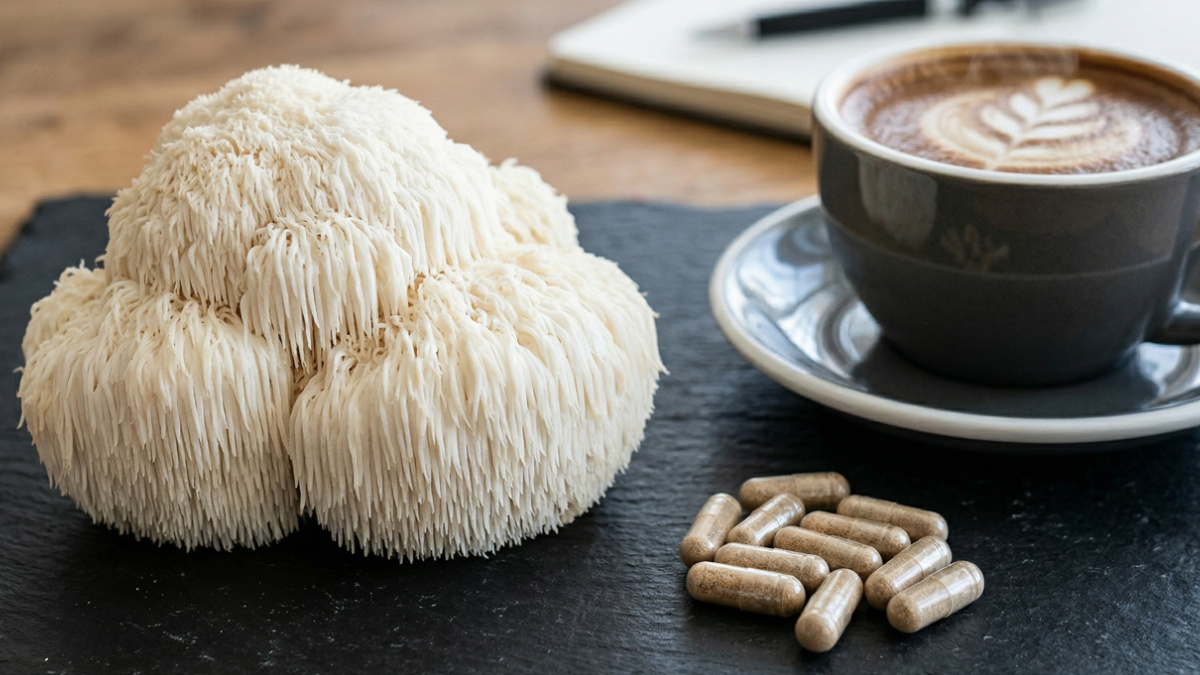
Stacking CBN with Reishi for Sleep
One of the more interesting approaches we have seen in the sleep supplement space is combining CBN with reishi mushroom. Reishi (Ganoderma lucidum) has its own body of research supporting sleep quality improvements, working primarily through GABAergic pathway modulation — a completely different mechanism than CBN’s endocannabinoid activity.
The logic of stacking these two compounds is straightforward: they address sleep through independent biological pathways, which means their effects may be additive without increasing the side-effect burden of either individual ingredient. This is a fundamentally different approach than simply increasing the dose of a single compound.
We are preparing a detailed guide on combining functional mushrooms with cannabinoids for sleep, including specific protocols and product recommendations. In the meantime, if you are curious about building a comprehensive natural wellness stack, our Ultimate Wellness Stack guide covers how to layer multiple evidence-based supplements effectively.
Medical Disclaimer
The information in this article is for educational purposes only and is not intended as medical advice. CBN products are sold as dietary supplements and are not FDA-approved to diagnose, treat, cure, or prevent any disease. If you have a medical condition, take prescription medications (particularly sedatives, blood thinners, or medications metabolized by the liver), are pregnant or nursing, or experience chronic insomnia, consult a qualified healthcare professional before using CBN or any new supplement.
Frequently Asked Questions
Does CBN actually help you sleep?
The evidence is early but encouraging. A 2023 double-blind, placebo-controlled study published in Experimental and Clinical Psychopharmacology found that CBN improved self-reported sleep quality and reduced nighttime awakenings. However, the research base is still small compared to established sleep aids. Most users report positive effects, but CBN does not work for everyone, and more large-scale clinical trials are needed before it can be called a proven sleep aid.
Is CBN better than melatonin?
They work differently, so “better” depends on your situation. Melatonin is a hormone that shifts your circadian rhythm — it is most effective for jet lag and schedule-related sleep issues. CBN works through the endocannabinoid system and may be more useful for general difficulty falling or staying asleep. Many users prefer CBN because it is less likely to cause morning grogginess, but melatonin has a much deeper research base. Some people find that a low dose of melatonin combined with CBN works better than either alone.
Is CBN legal?
CBN derived from hemp (containing less than 0.3% THC) is legal at the federal level under the 2018 Farm Bill. However, state laws vary, and several states have enacted additional restrictions on hemp-derived cannabinoids. Check your state’s current regulations before purchasing. The regulatory environment has been shifting, particularly since 2025, so what was available last year may not be available today in your jurisdiction.
How much CBN should I take for sleep?
Most people find their effective dose between 10 and 20 mg, taken 30–60 minutes before bed. Start with 5–10 mg and increase gradually if needed. There is no established clinical dosage, and individual responses vary. Taking CBN with a small amount of fatty food may improve absorption.
What’s the difference between CBN and CBD?
CBN (cannabinol) and CBD (cannabidiol) are both cannabinoids found in hemp, but they have distinct pharmacological profiles. CBD is primarily studied for anxiety, inflammation, and epilepsy, with its sleep benefits appearing to come mainly from anxiety reduction. CBN interacts with the endocannabinoid system differently and has more direct associations with sleep in emerging research. CBN is also mildly psychoactive at high doses (roughly one-tenth the potency of THC), while CBD is not psychoactive at any dose. Many sleep-focused products combine both compounds, and the 2023 Bonn-Miller study suggested this combination may be more effective than CBN alone.
Can CBN make you fail a drug test?
It depends on the product. Full-spectrum CBN products contain trace amounts of THC (up to 0.3%), which could potentially trigger a positive result on a sensitive drug test with consistent use. If drug testing is a concern, choose a broad-spectrum or isolate CBN product and verify THC levels through the manufacturer’s third-party COA. Even then, no cannabinoid product can guarantee a negative drug test result.
How long does it take for CBN to work?
CBN gummies typically take 30–60 minutes to take effect due to digestion and metabolism. Sublingual oils may work within 15–30 minutes. For overall sleep quality improvements, give CBN at least one to two weeks of consistent nightly use before evaluating whether it is working for you — some users report benefits from the first night, while others notice a gradual improvement over time.